

Menu
Industries
 Potatoes, Vegetables and Fruit
  Meat, Fish & Poultry
  Confectionery
  Bread & Pastry
  Dairy
Dairy  Coffee & Tea
  Nuts & Grains
  Pharmacy
  Pet food
More information
Hellings designs and manufactures safe, hygienic and durable customised machines for end users and OEMs in the food, pet food and pharmaceutical industries
 Buffering
  Distribution & Spreading
  Merging
  Levelling
  Rejects
  Twisting
  Counting
  Weighing
  Stacking & Forming
  Detection
 Belt conveyors
 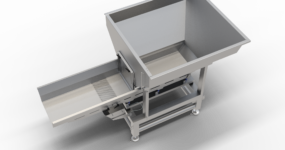 Vibratory conveyors
 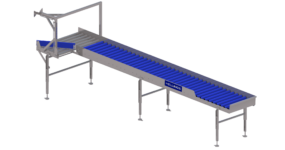 Roller conveyors
 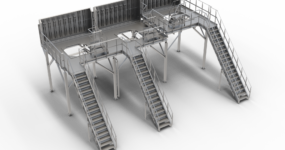 Platforms
 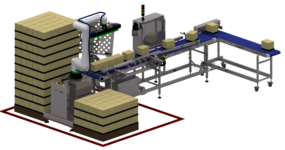 Robotics solutions
 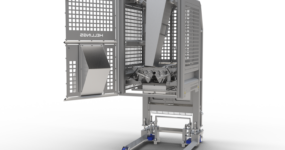 Distribution systems
 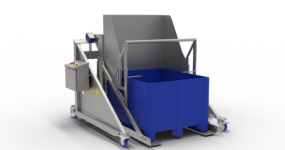 Tippers & Lifts
 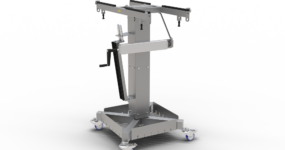 Format trolleys
 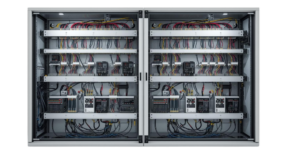 Control & Software
 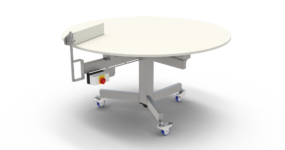 Turntables
 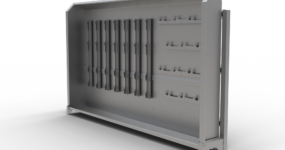 Wash walls & washing racks
 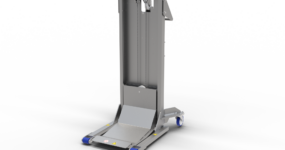 Film roll trolleys
 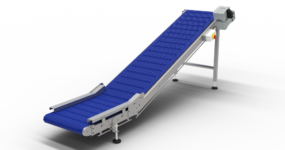 Take-away conveyors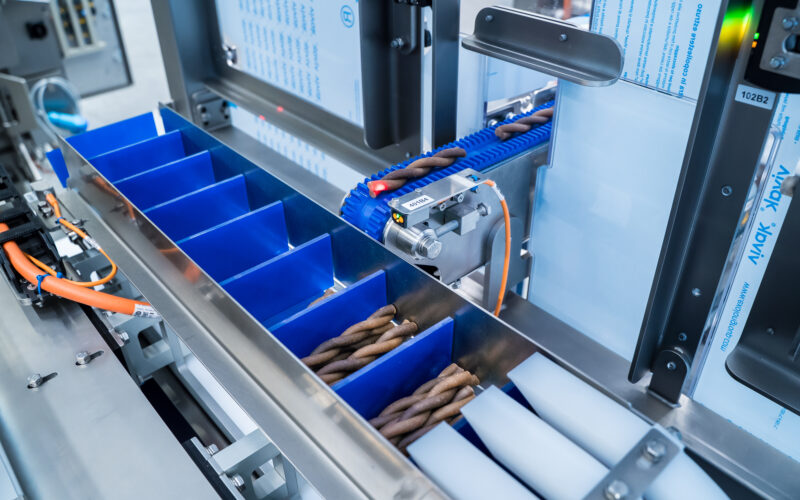
Menu
Cura Packaging
''We wanted to eliminate manual labour and the pollution that comes with it'' – Wim Oosterling, Director of Cura Packaging. That is why Hellings and Ronetic developed a fully automated packaging process for millions of teats a year, without any manual handling or interim storage.
How do you ensure that millions of medical products are handled as little as possible, from production through to packaging? For Cura Packaging, Hellings and Ronetic (a division of Hellings) developed a system in which the teats are packaged directly from the production line – without manual loading and without intermediate storage. Partly through the use of robotics, we solved several challenges at once, even though the original request for assistance was quite different. Read all about it in the customer case study.
About Cura Packaging
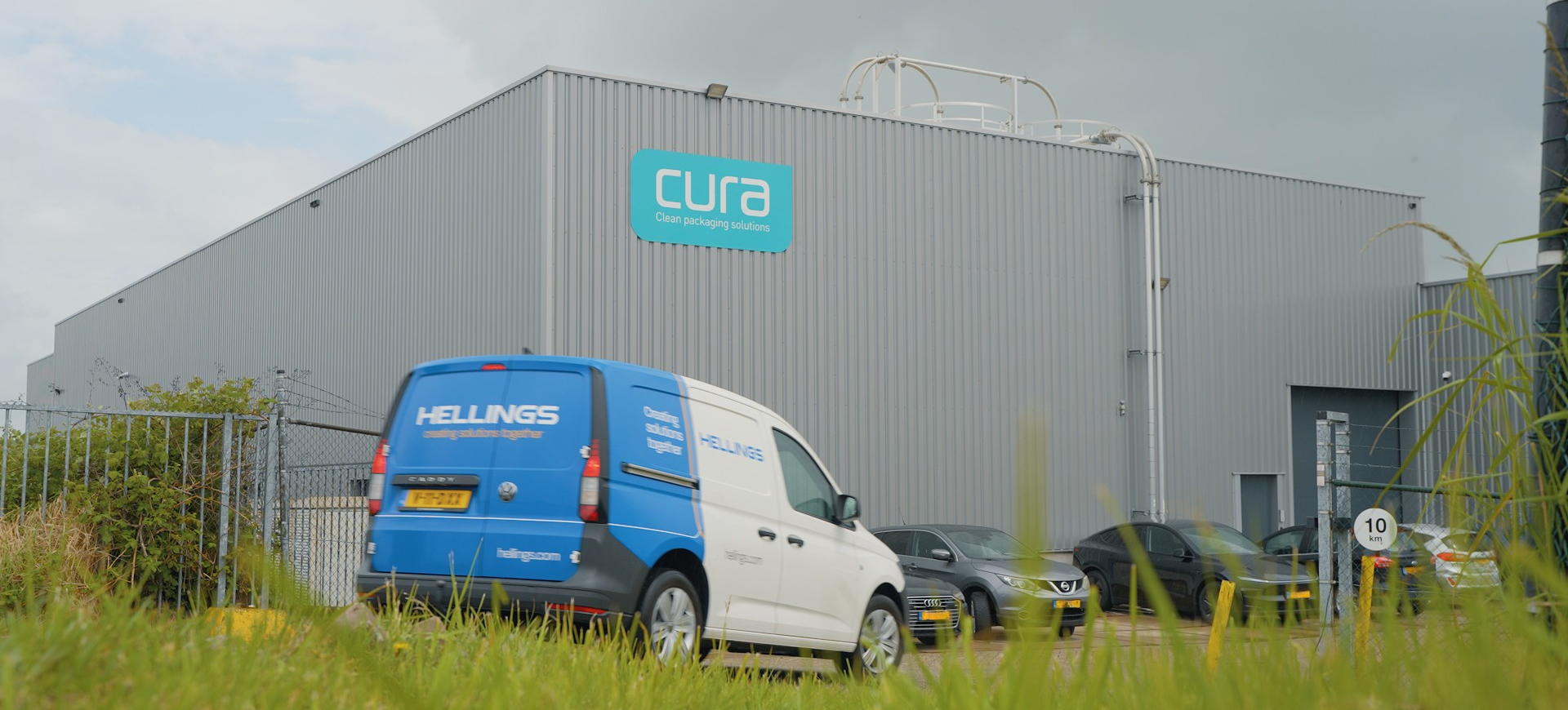
Cura Packaging develops and manufactures packaging solutions for medical and healthcare applications. Each year, Cura produces, amongst other things, approximately 23 million sterilised teats, making it one of the world’s largest manufacturers in this field. To meet the stringent quality and hygiene requirements, production takes place in a controlled cleanroom environment.
From its site in Kampen, Cura is constantly seeking ways to further improve and automate the production process. In doing so, they do not simply settle for the current hygiene standards, but are always looking for ways to improve even further. For example, by further reducing manual handling and thereby minimising the risk of contamination.
The challenge
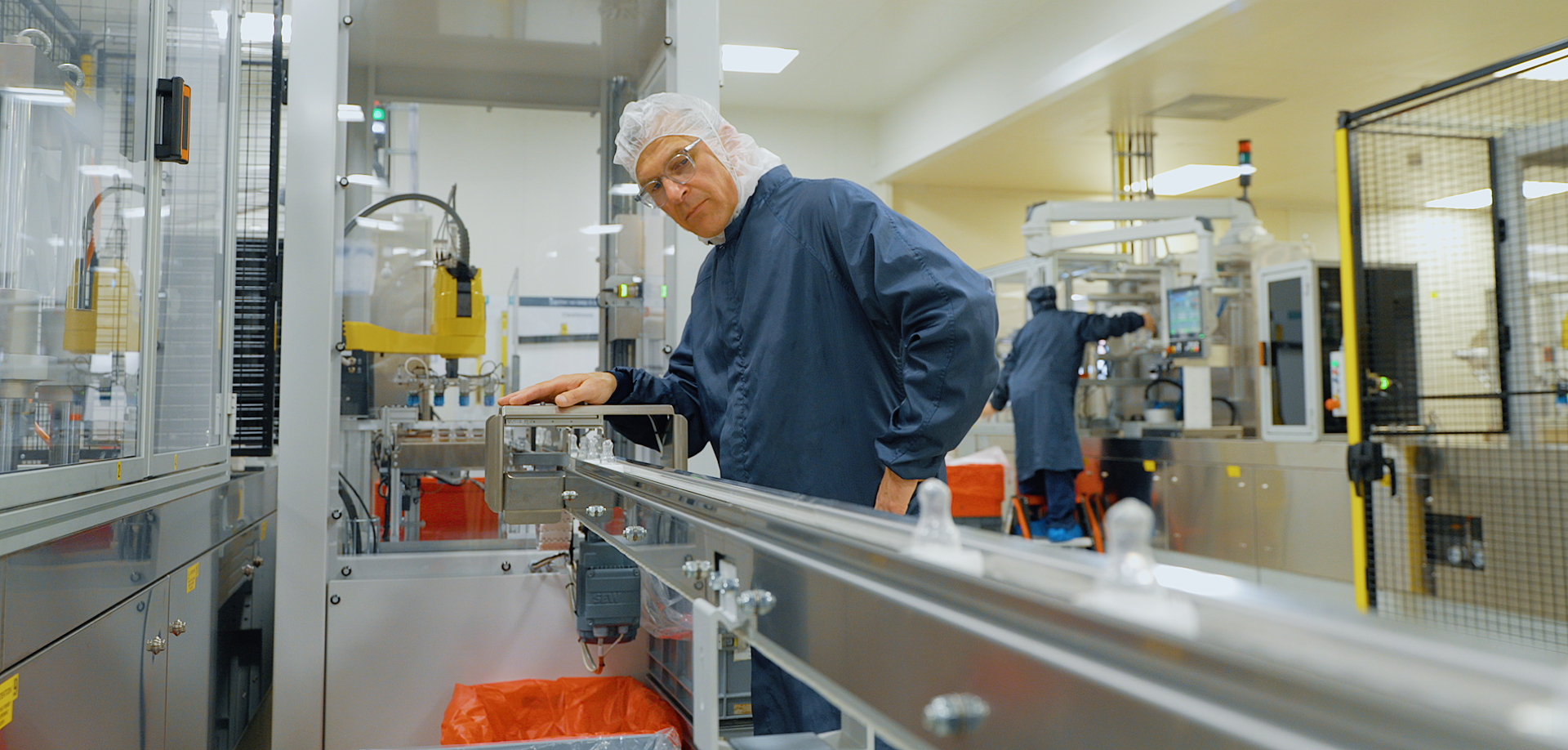
Cura wanted to further reduce the number of manual handling steps in the packaging process and thereby minimise the risk of contamination. In addition, there was a specific automation requirement relating to the temporary storage of the teats. This was because several production lines converged on ‘just’ one blister-packing line, meaning that after production, the teats were first collected in bins and later placed manually into the blister packs.
A further point of concern was that Cura Packaging had to be able to continue guaranteeing deliveries to hospitals during the transition from the old to the new system. Prolonged downtime was not an option; production had to continue as much as possible.
The approach
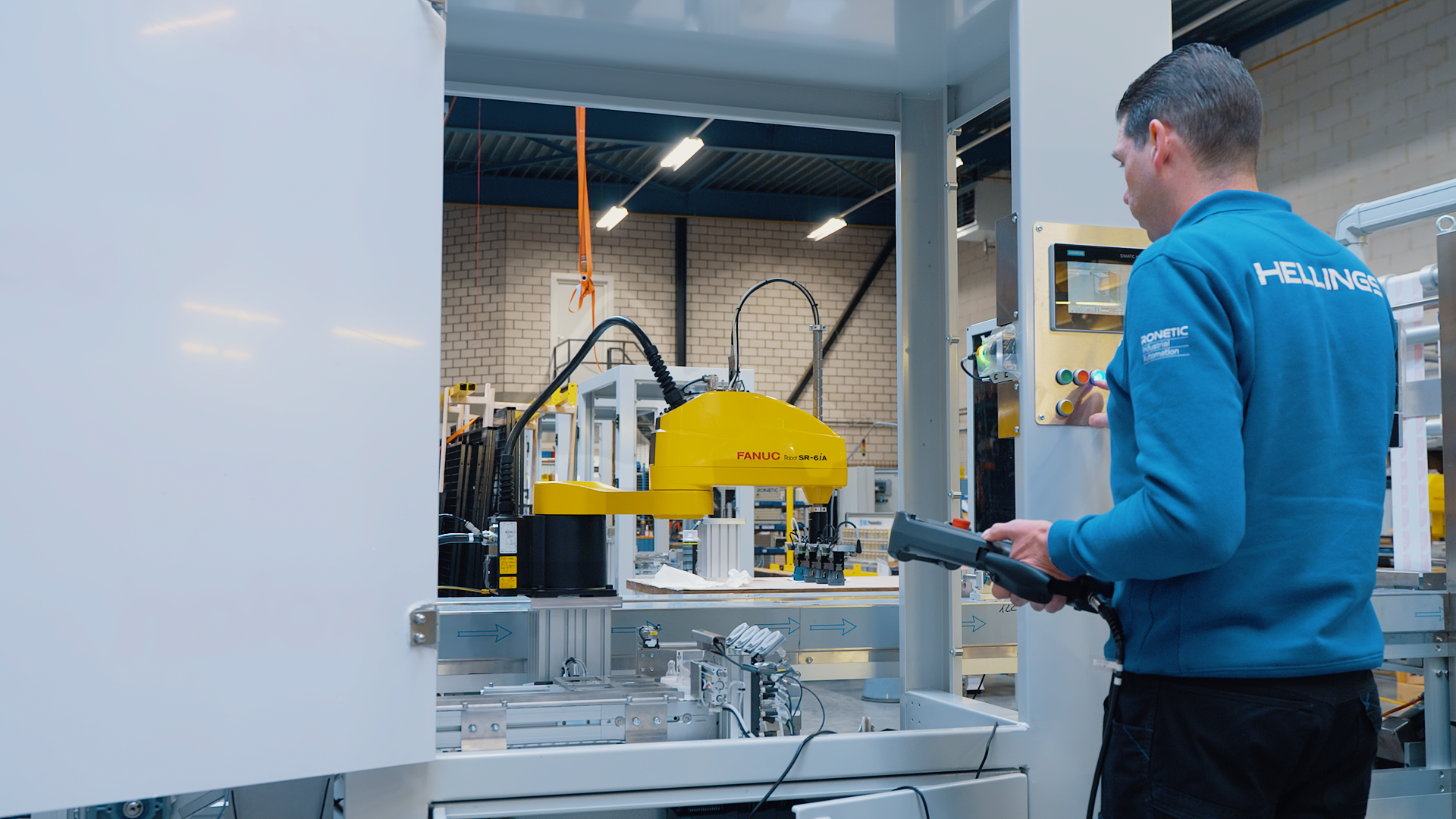
Hellings and Ronetic, together with Cura, took a close look at the entire production process. They focused not only on automating the intermediate storage stage, but above all on its role within the process. After all, why automate an intermediate step when you can simply eliminate it?
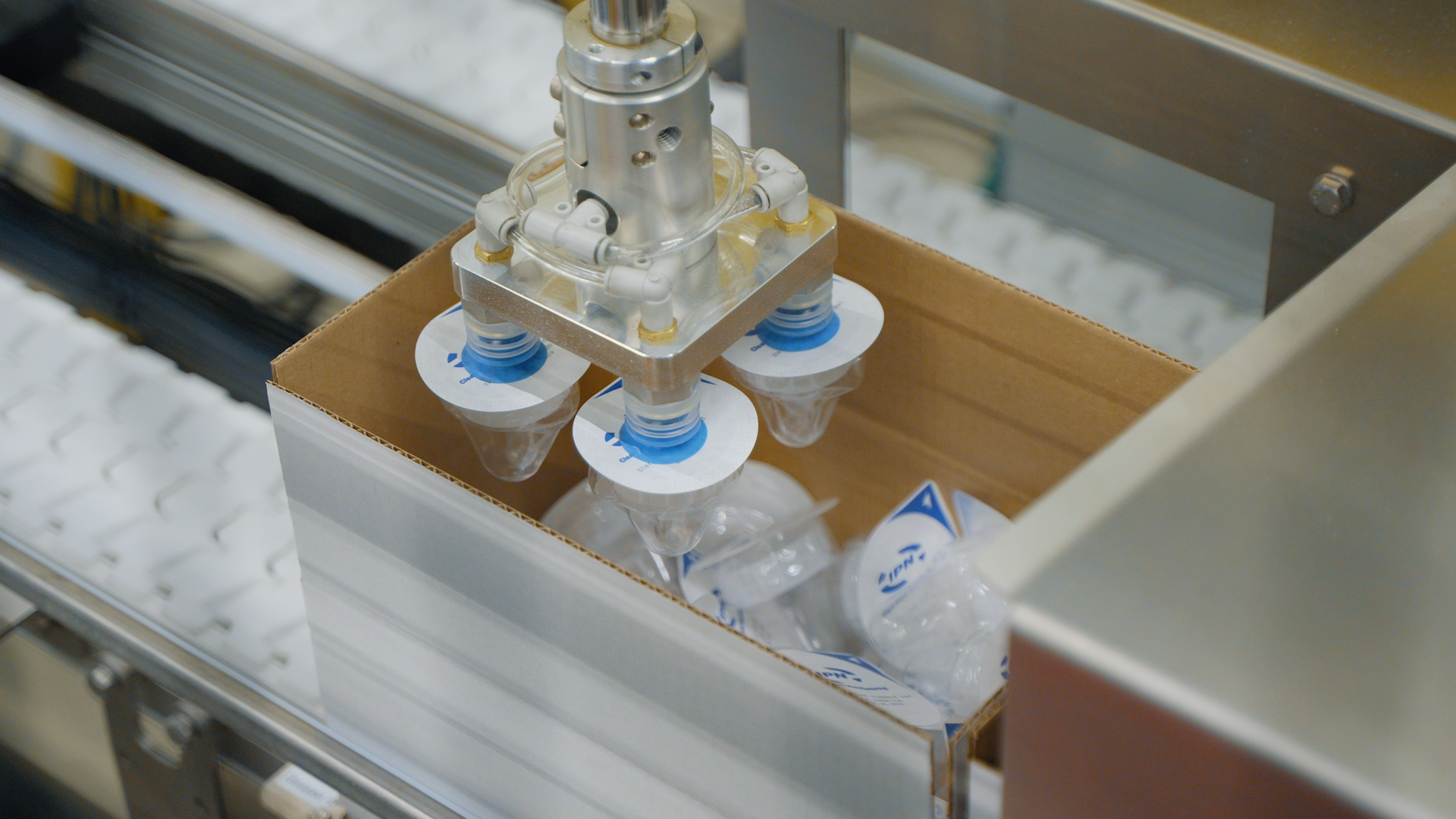
By replacing a single central blister-packing line with four smaller lines, production and packaging could be directly linked. Robotics were also used to automate the manual loading process. As a result, the teats go straight from production to the blister pack and then into the box – without any human handling or intermediate storage.
The new lines were integrated into the existing production environment in stages. This allowed Cura to continue production during the conversion, and the transition was achieved with as little downtime as possible.
A visit to Cura Packaging
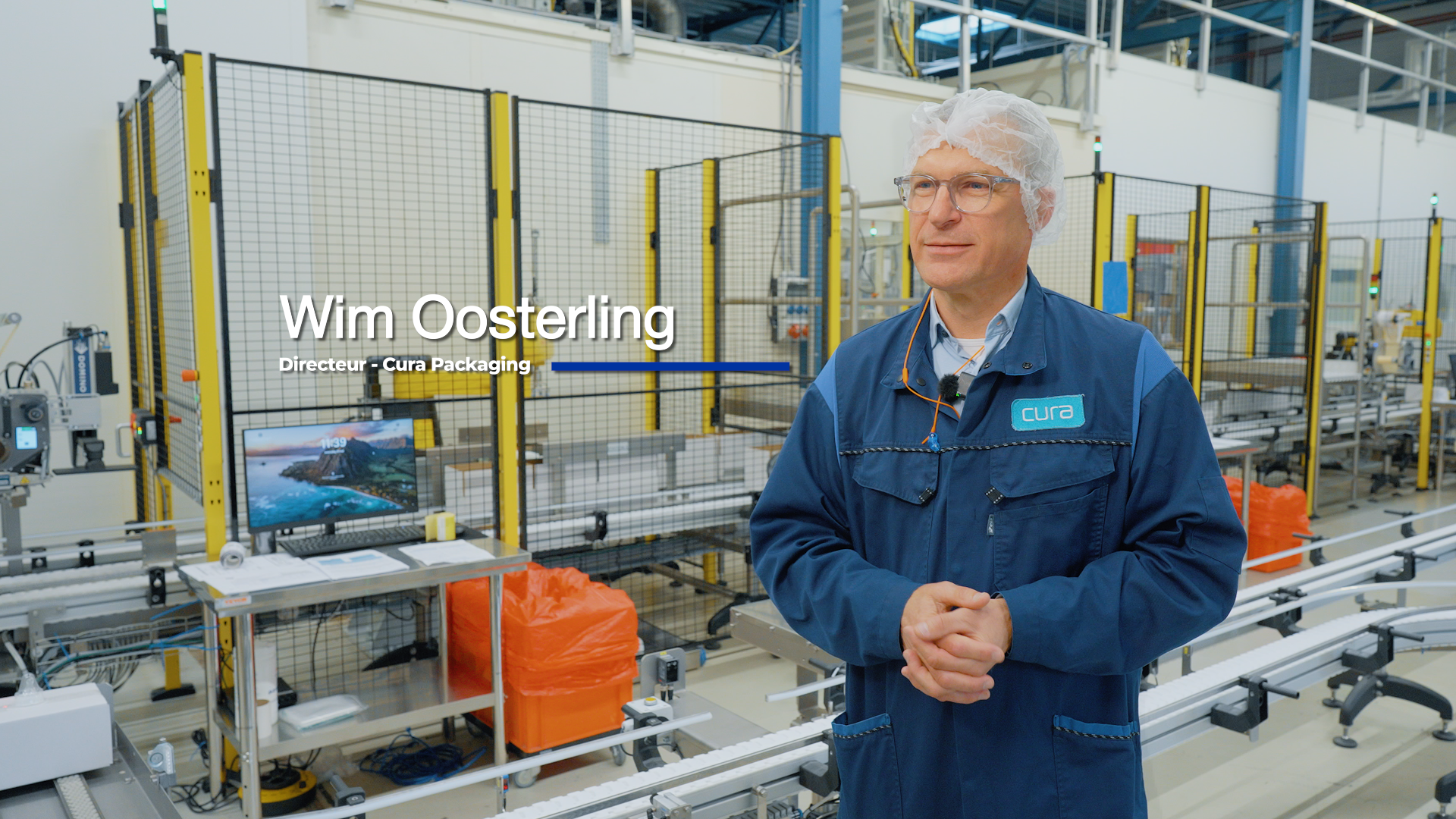
Watch the video here, in which we visit Cura Packaging in Kampen and managing director Wim Oosterling tells us all about the challenge and the solution provided by Hellings and Ronetic.
* Text continues below the video *
The result
Cura Packaging now has a fully automated product flow, with no intermediate storage and no manual handling between production and packaging. This means fewer points of human contact, less reliance on operators, and a more efficient and controlled packaging process. The difference is also noticeable on the shop floor: operators find the process less stressful.
Thus, the original request to automate intermediate storage evolved into a solution in which that intermediate step is no longer necessary at all. A great result of the collaboration between Cura Packaging, Ronetic and Hellings – Creating Solutions Together!
“
“I never would have expected beforehand that the solution would be in place within seven months of the contract being awarded. That’s quite an achievement.”
Wim Oosterling, Managing Director of Cura Packaging
Curious to find out how your process could be organised more efficiently?