

Menu
Industries
 Potatoes, Vegetables and Fruit
  Meat, Fish & Poultry
  Confectionery
  Bread & Pastry
  Dairy
Dairy  Coffee & Tea
  Nuts & Grains
  Pharmacy
  Pet food
More information
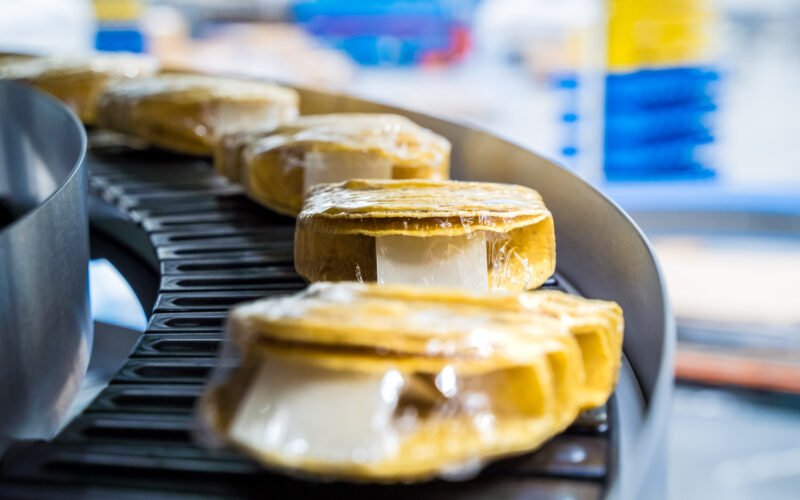
Hellings designs and manufactures safe, hygienic and durable customised machines for end users and OEMs in the food, pet food and pharmaceutical industries
 Buffering
  Distribution & Spreading
  Merging
  Levelling
  Rejects
  Twisting
  Counting
  Weighing
  Stacking & Forming
  Detection
 Belt conveyors
 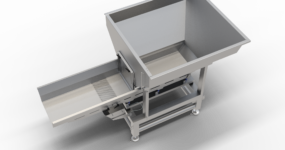 Vibratory conveyors
 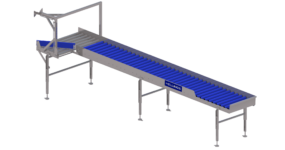 Roller conveyors
 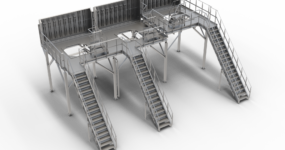 Platforms
 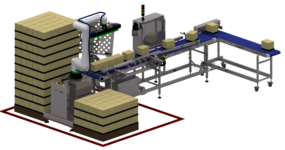 Robotics solutions
 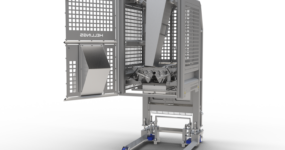 Distribution systems
 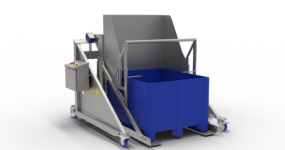 Tippers & Lifts
 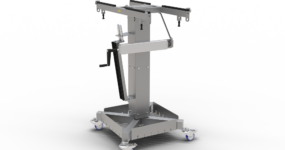 Format trolleys
 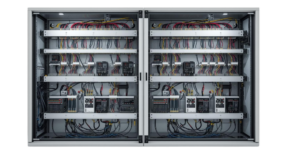 Control & Software
 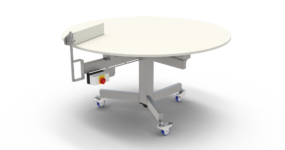 Turntables
 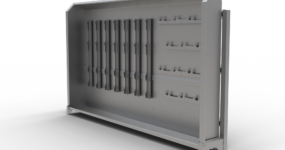 Wash walls & washing racks
 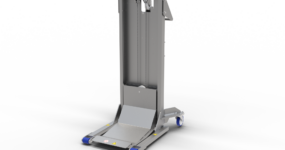 Film roll trolleys
 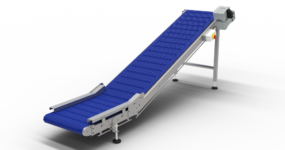 Take-away conveyors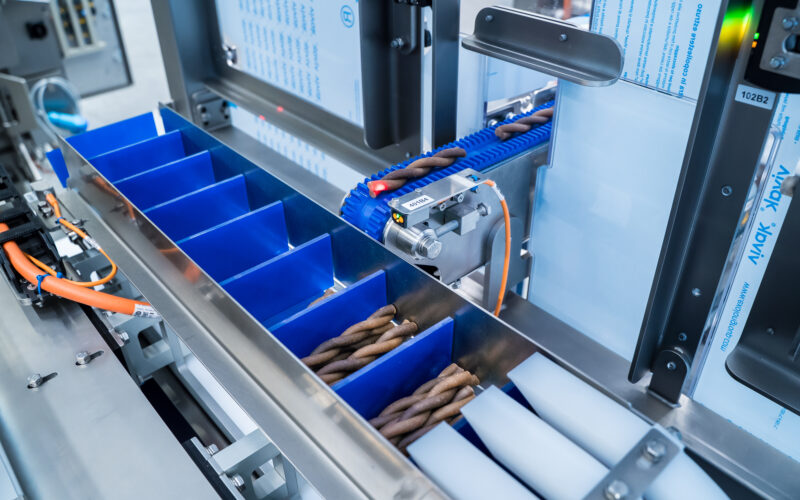
Menu
Features
Buffering
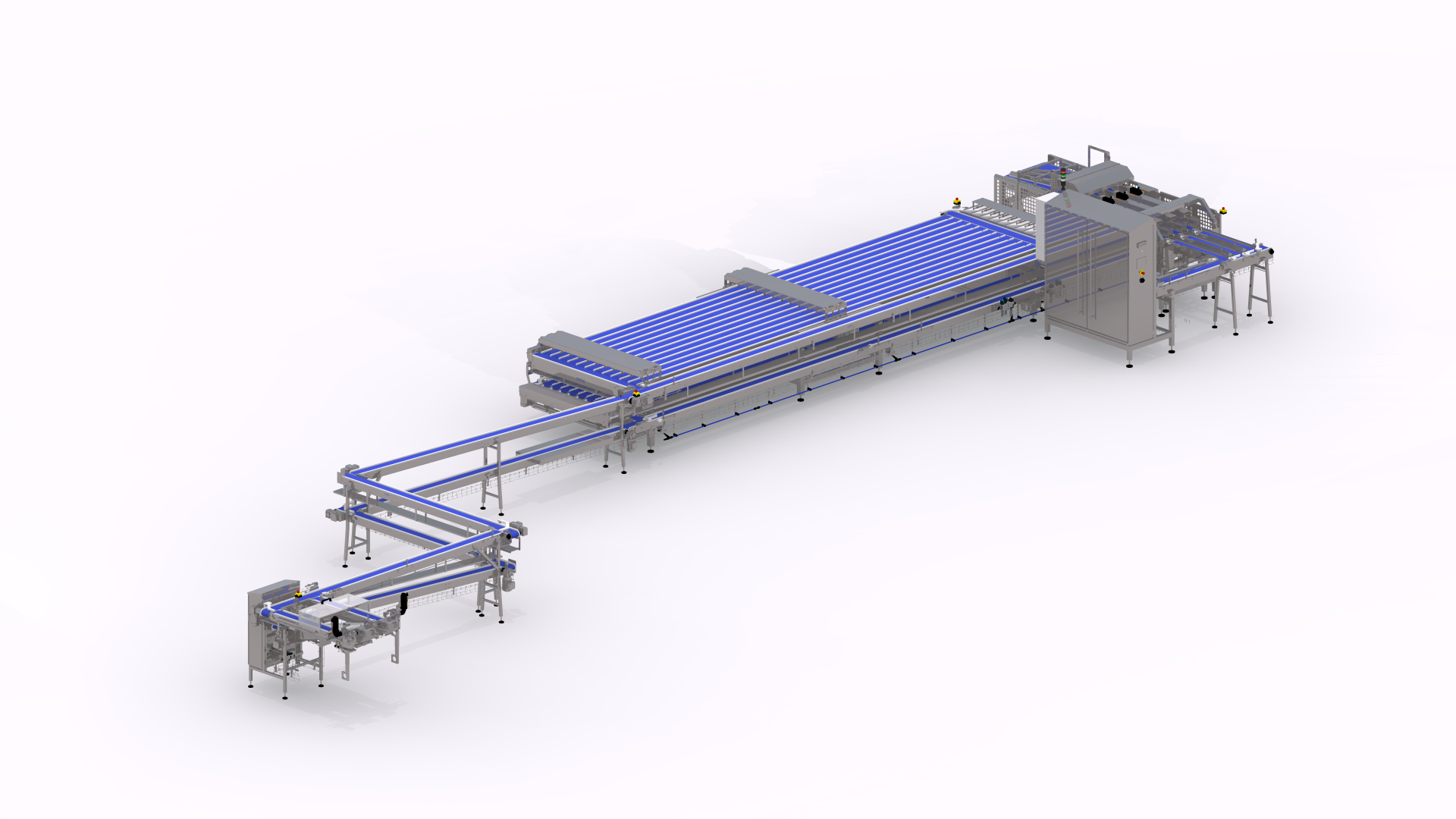
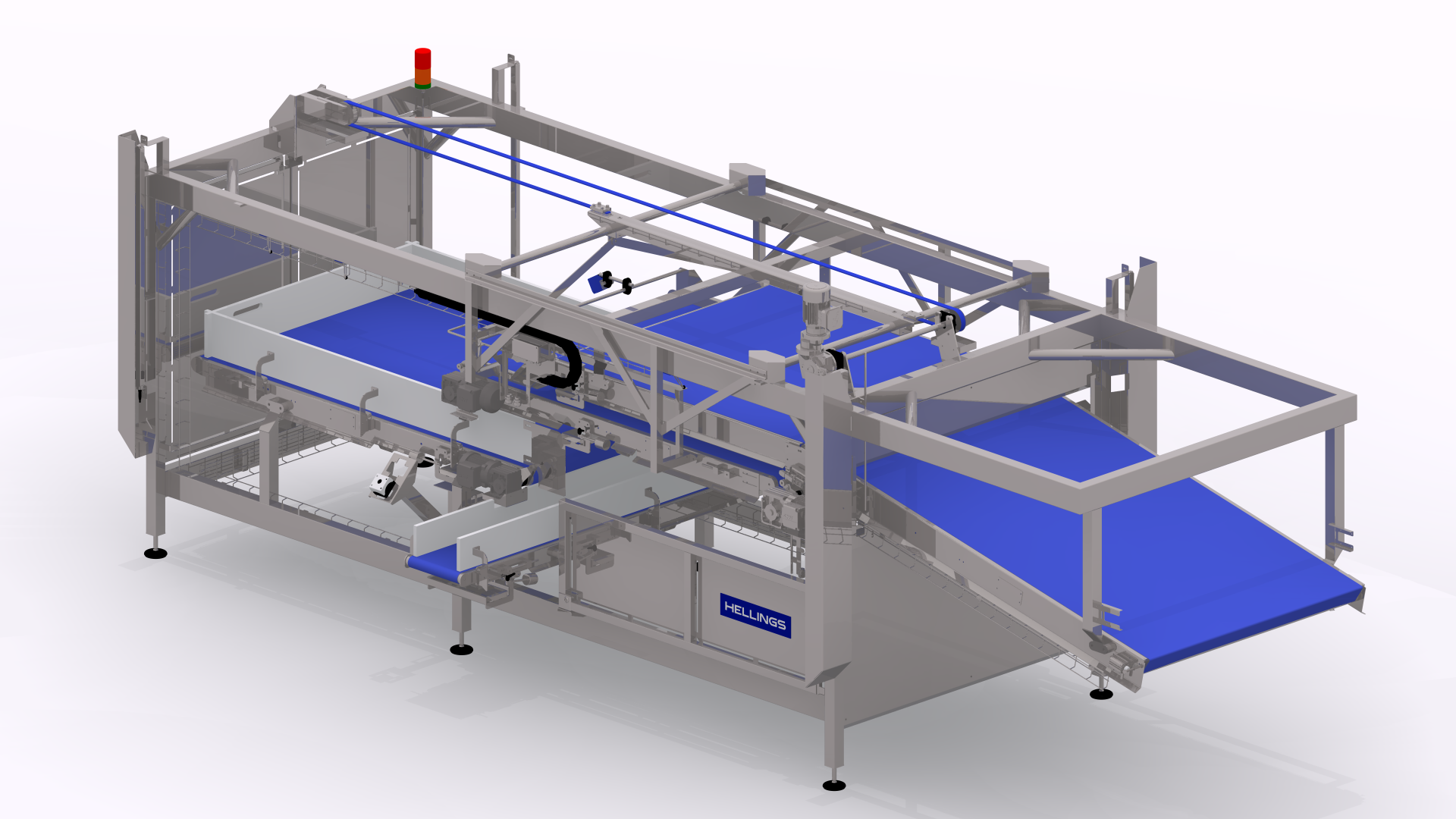
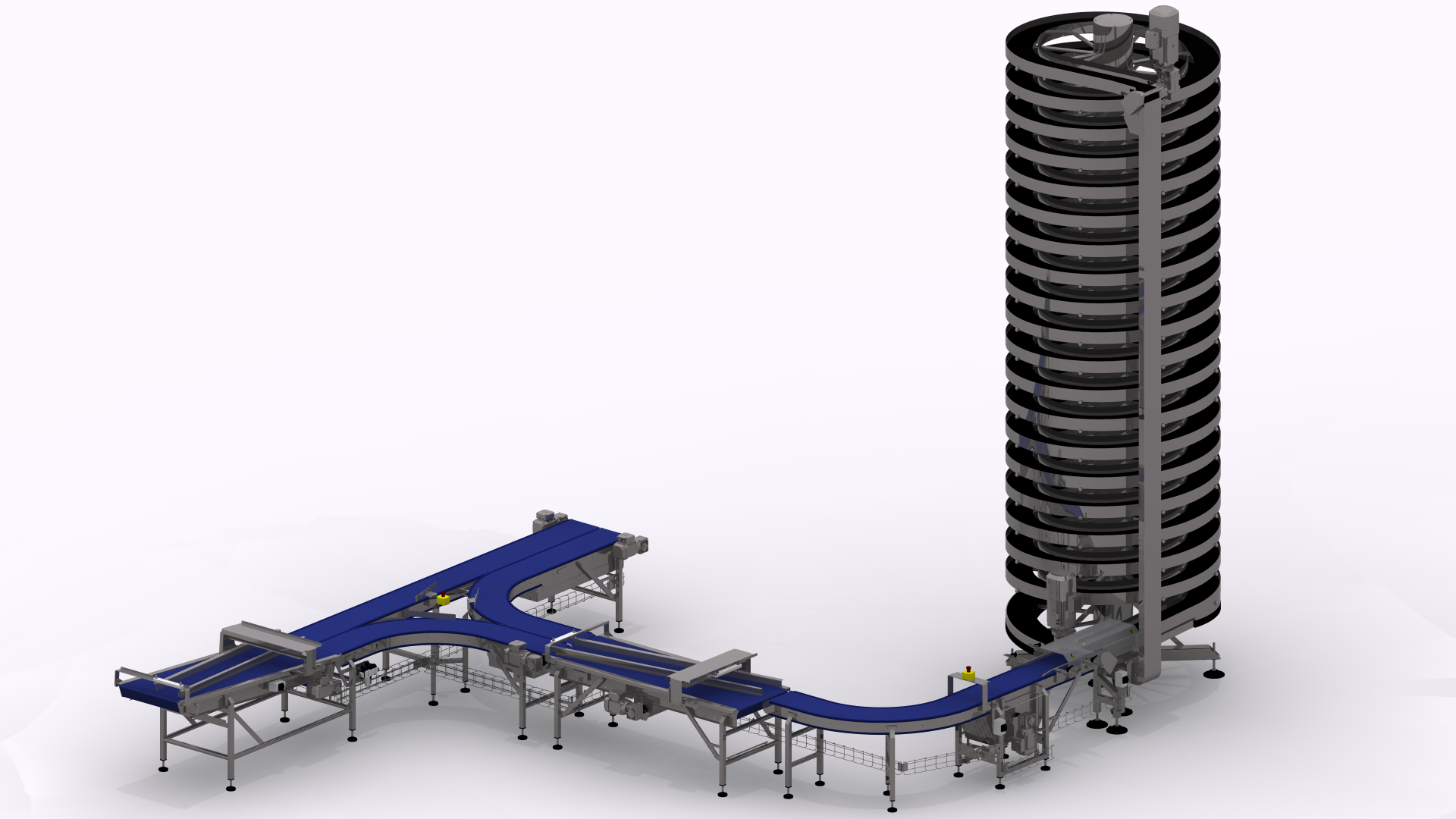
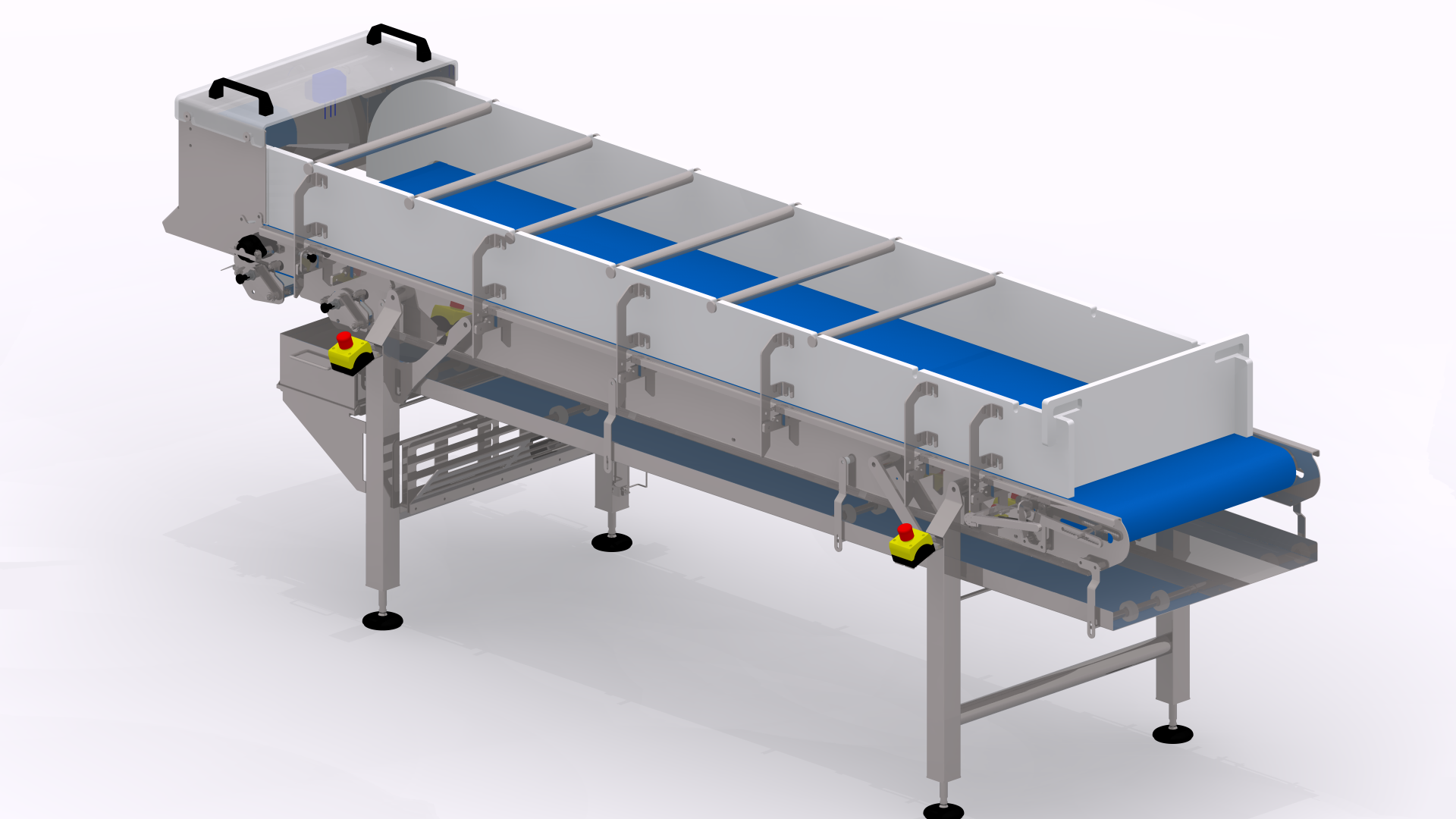
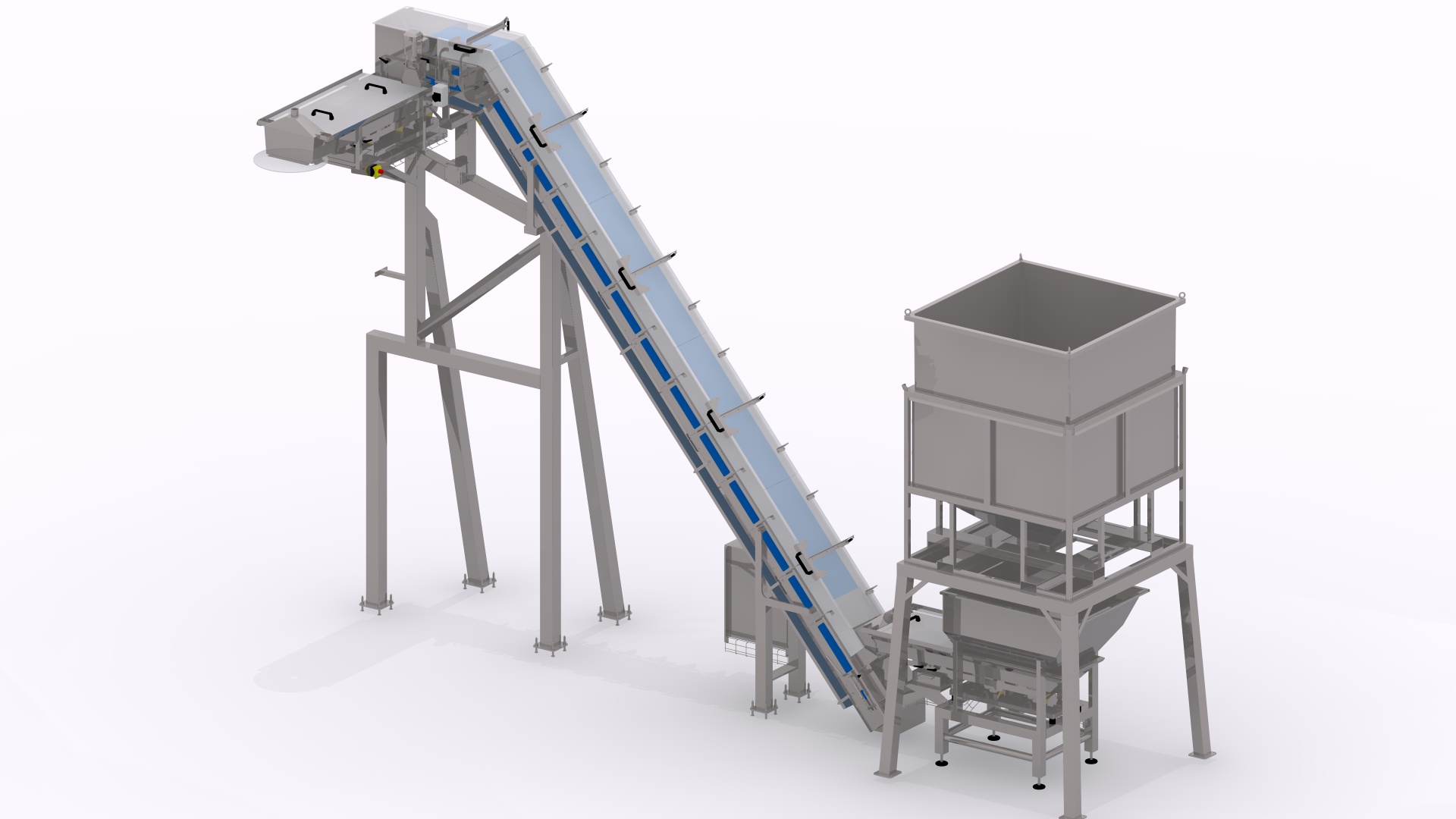
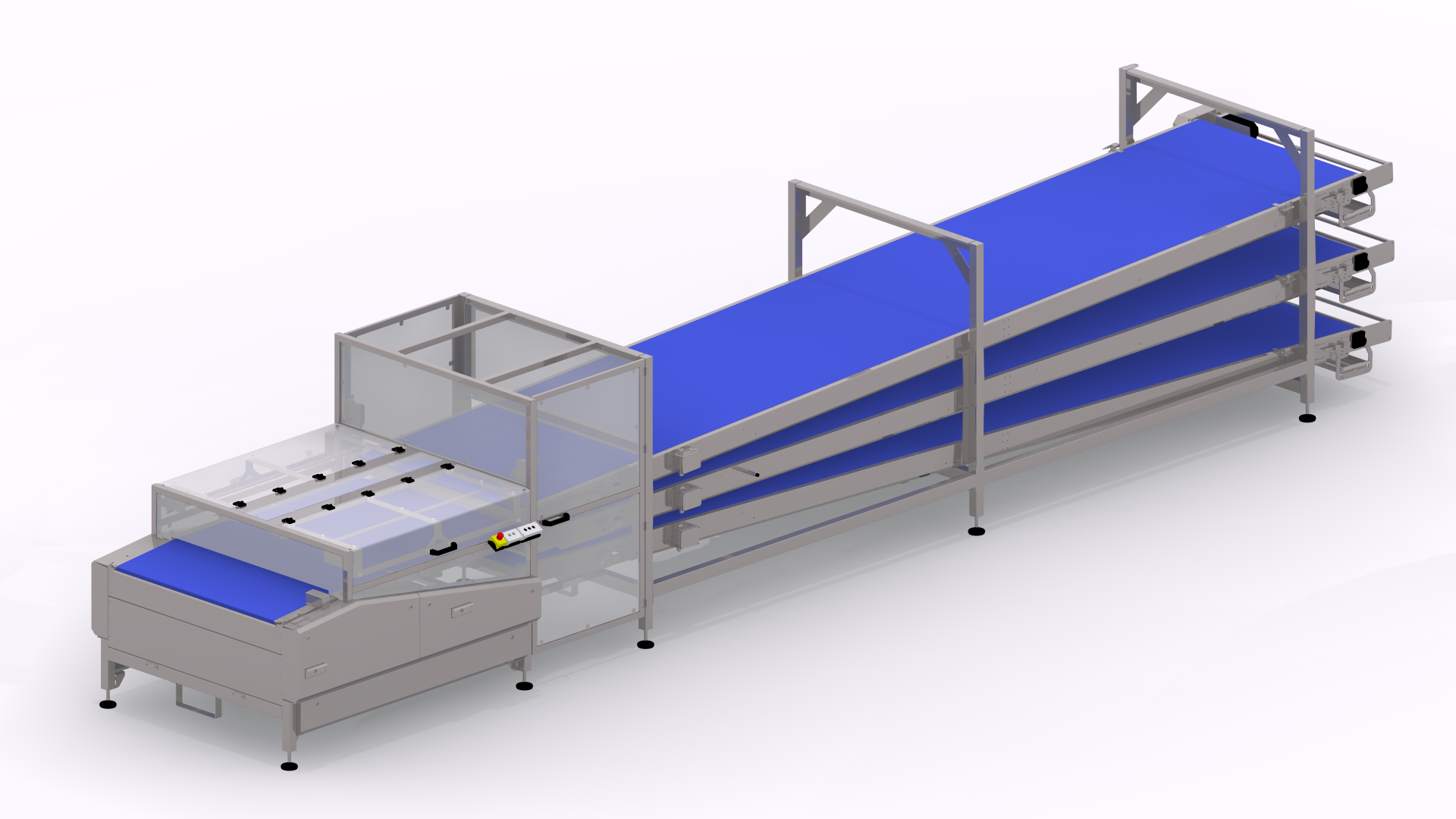
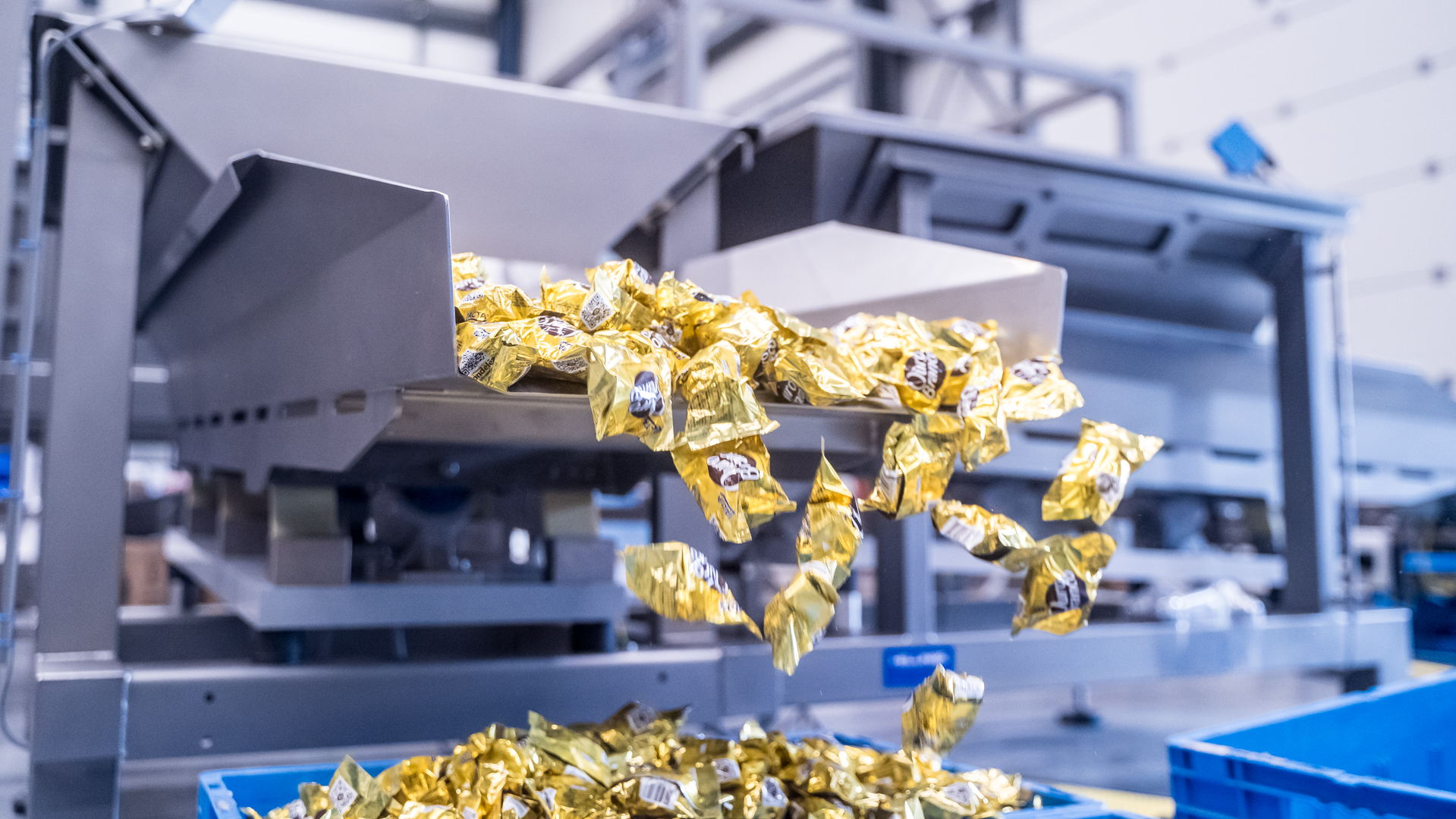
The purpose of a buffer is to absorb variations in product feed, processing and discharge. Buffers are used to optimise product flows within the production process. A buffer is an intermediate station that prevents one process from holding up another. Buffers can provide temporary storage in the event of machine failure, temporarily absorb speed differences between lines, or regulate throughput to subsequent steps. By using a buffer, the production process can be more efficient and reliable, with less risk of downtime or failure and fewer human actions. The design of a buffering solution is bespoke and depends on factors such as the required buffer capacity, product type, available space and the specific application. Discover the most commonly used buffering solutions here.
Options
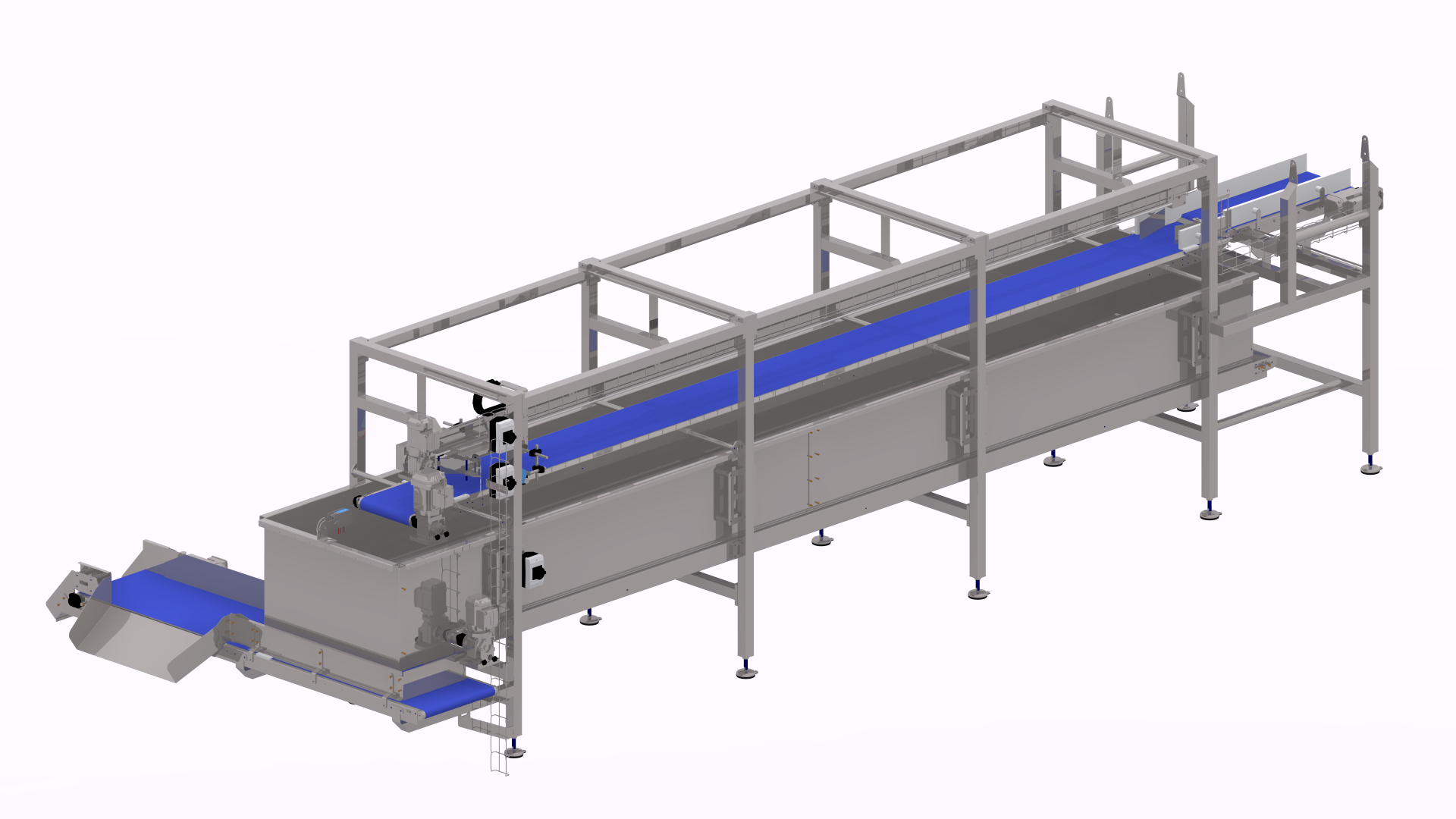
Buffering solutions
Prevent bottlenecks in your production process
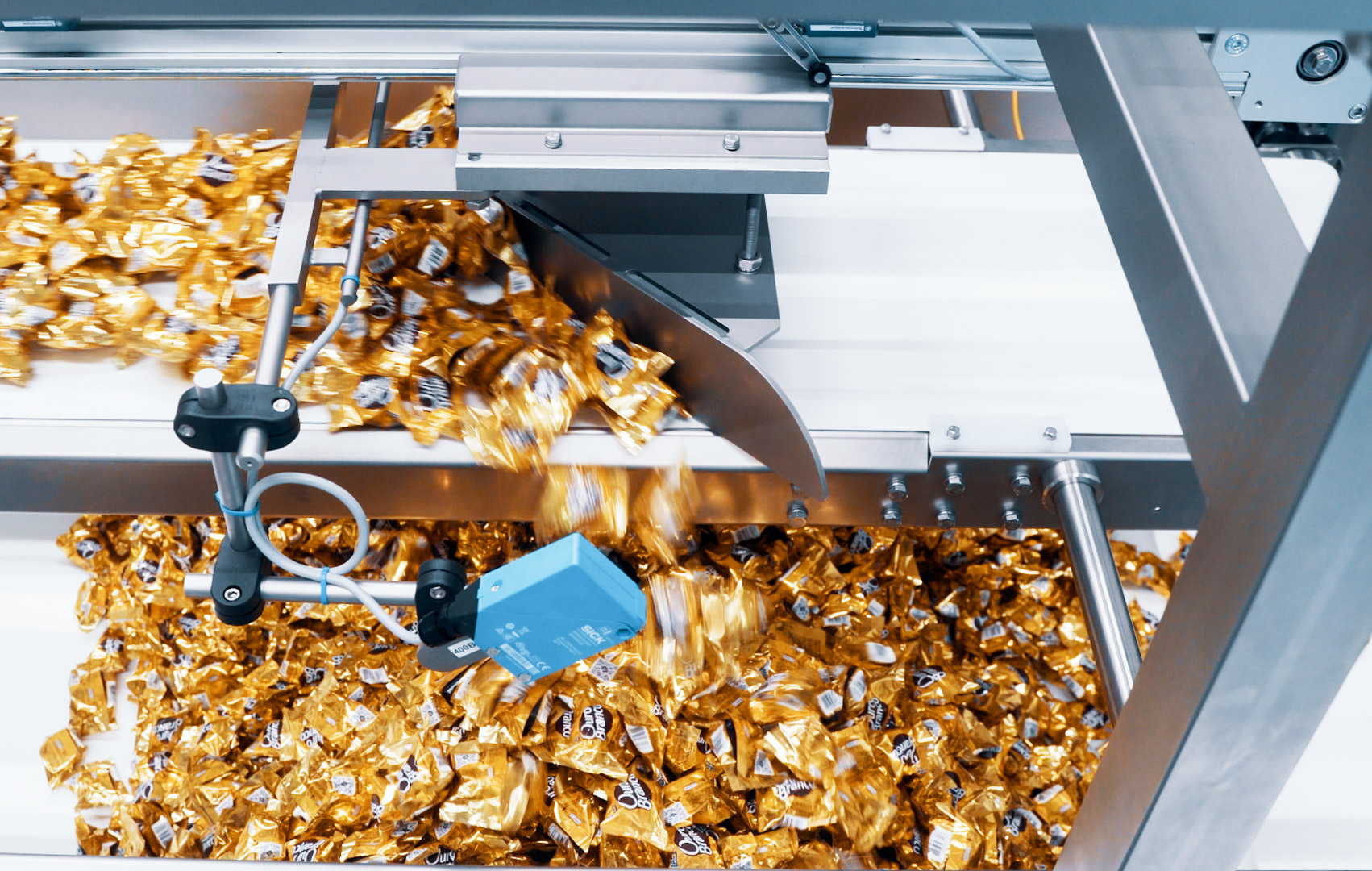
Buffering solutions absorb variations in product feed, processing and discharge and prevent bottlenecks in production lines. They ensure a more efficient and reliable production process, with less risk of downtime or failure. The design of a buffering solution is bespoke, depending on product type, capacity, available space and application.
See how it works here

Want to know more?