Menu
Industries
 Potatoes, Vegetables and Fruit
  Meat, Fish & Poultry
  Confectionery
  Bread & Pastry
  Dairy
Dairy  Coffee & Tea
  Nuts & Grains
  Pharmacy
  Pet food
More information
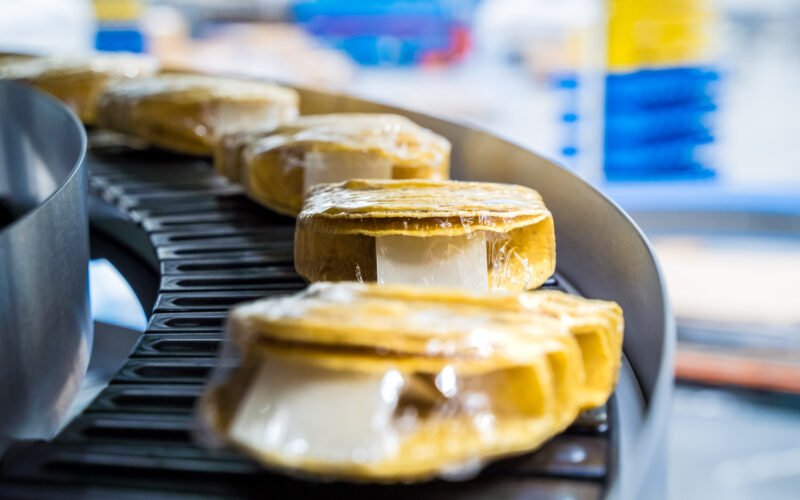
Hellings designs and manufactures safe, hygienic and durable customised machines for end users and OEMs in the food, pet food and pharmaceutical industries
 Buffering
  Distribution & Spreading
  Merging
  Levelling
  Rejects
  Twisting
  Counting
  Weighing
  Stacking & Forming
  Detection
 Belt conveyors
  Vibratory conveyors
  Roller conveyors
  Platforms
 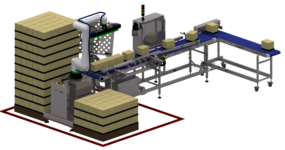 Robotics solutions
  Distribution systems
  Tippers & Lifts
 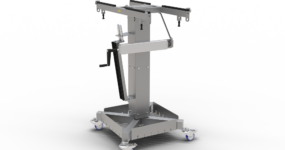 Format trolleys
 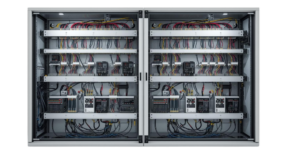 Control & Software
 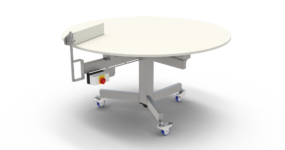 Turntables
 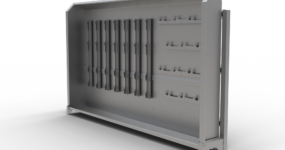 Wash walls & washing racks
  Film roll trolleys
  Take-away conveyors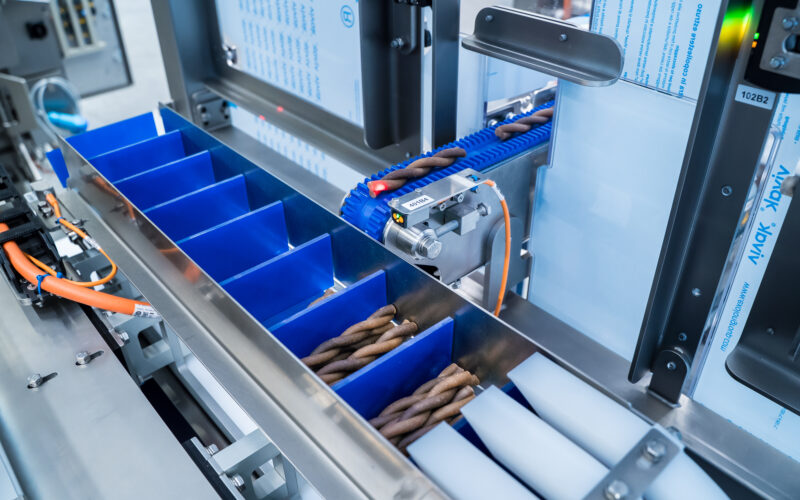
Menu
From design to reality
A visit to Cura Packaging
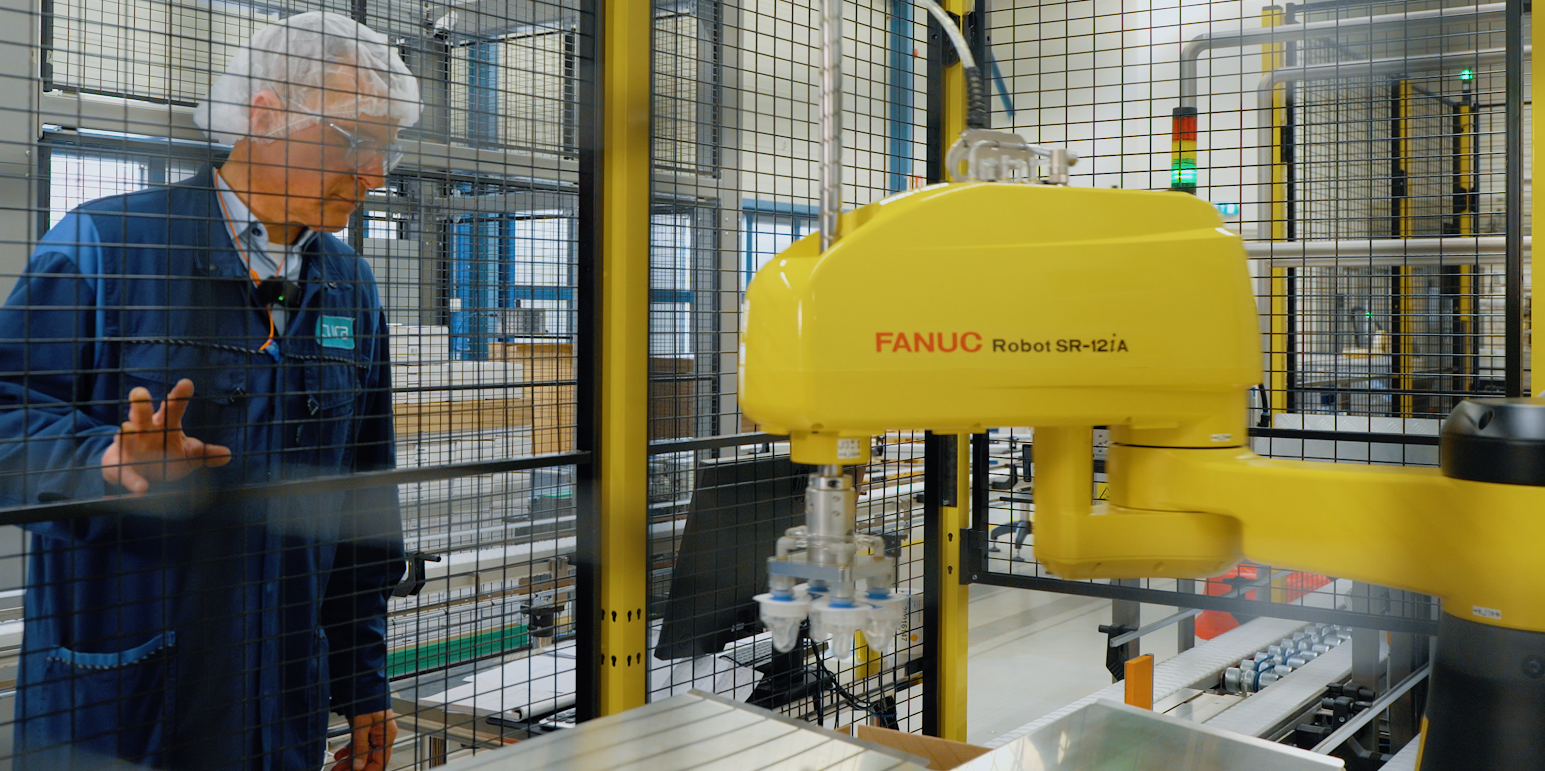
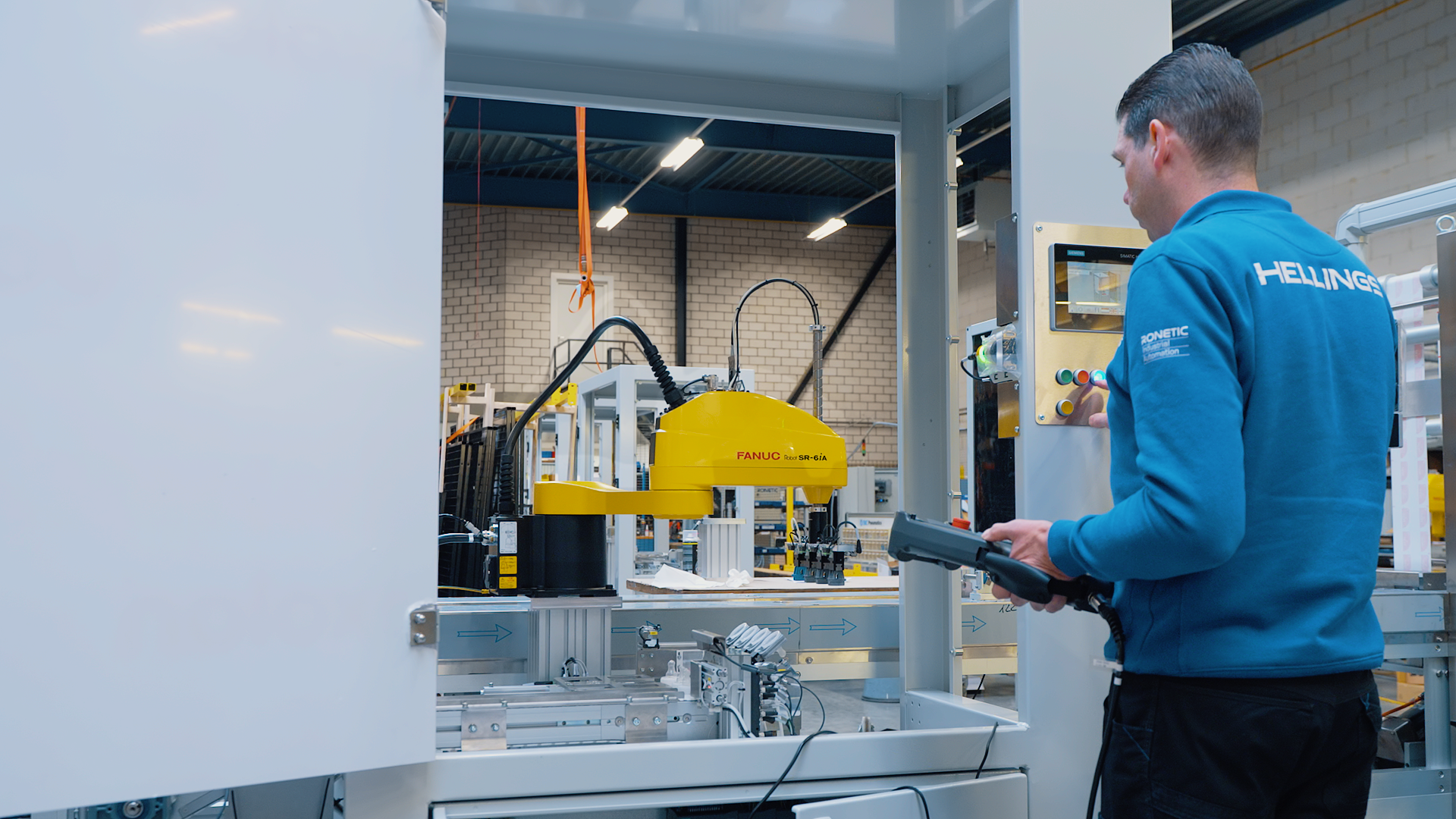
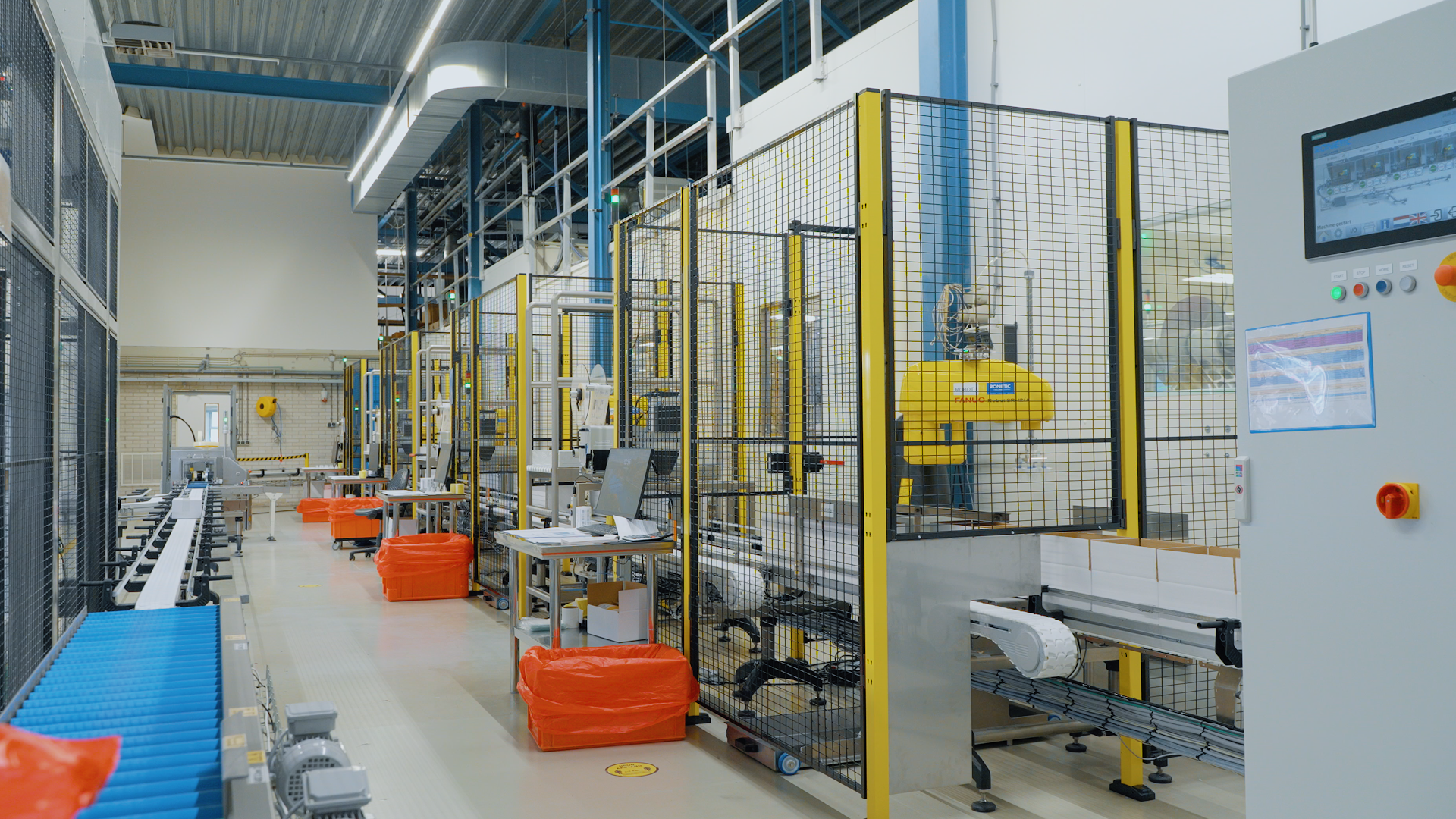
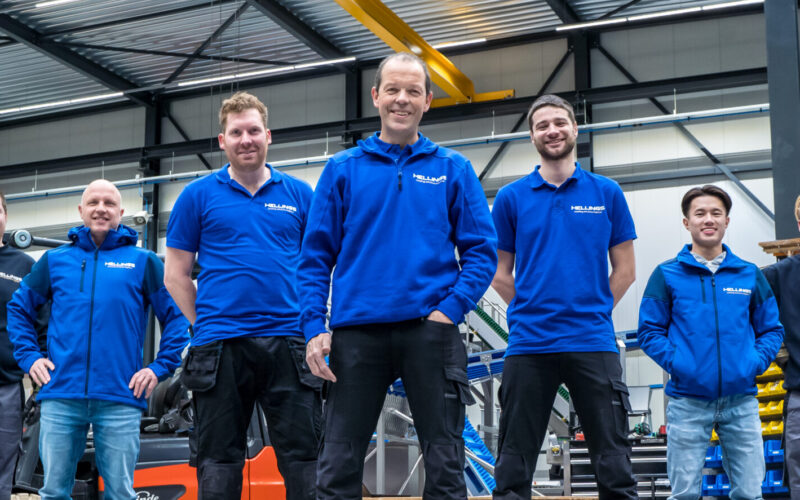
What begins on our engineers’ drawing boards develops into a working solution in our assembly hall. But the best moment comes afterwards: when you see that solution in operation at the client’s premises – and the benefits it delivers in practice. We recently had that opportunity at Cura Packaging in Kampen.
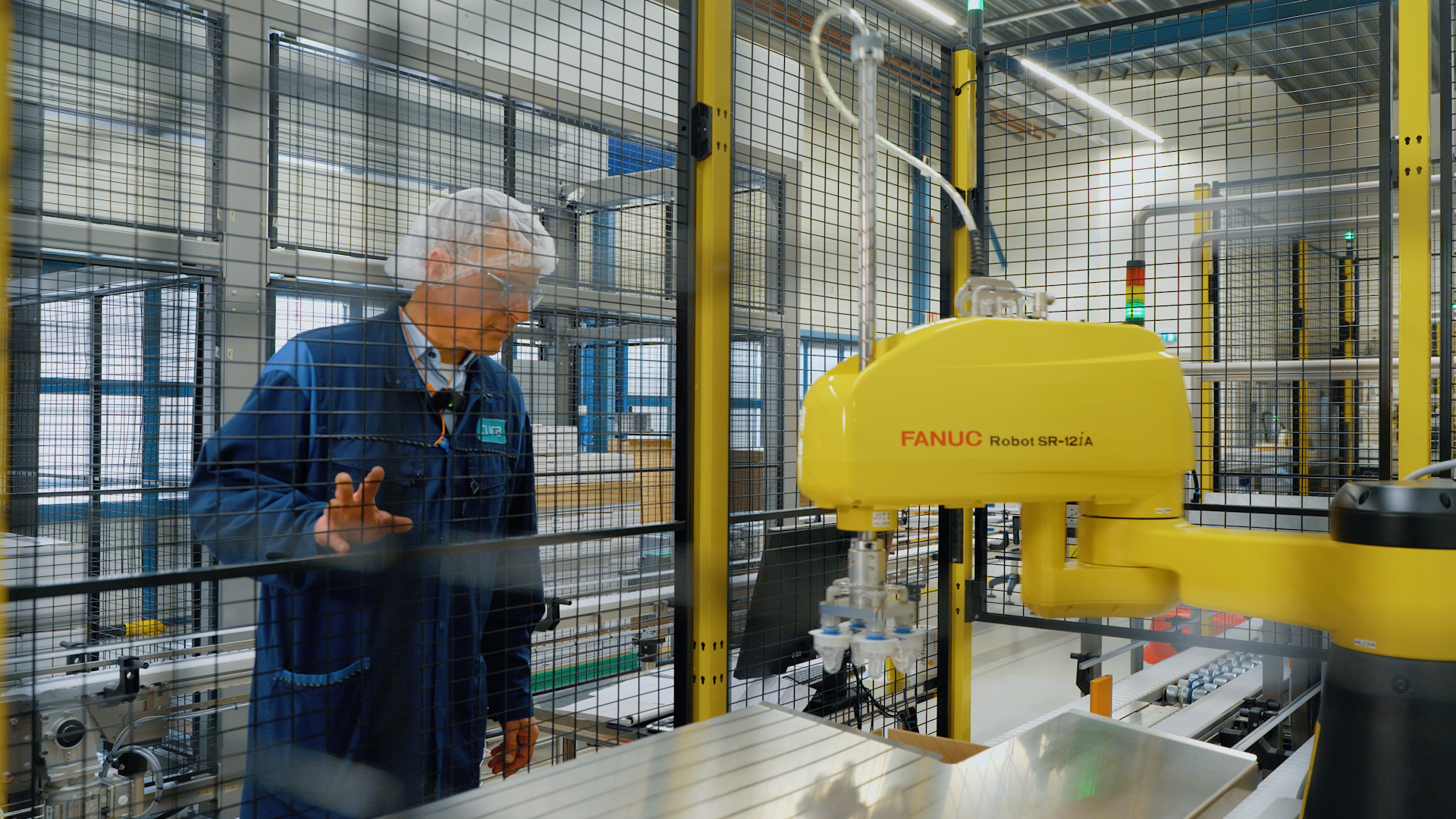
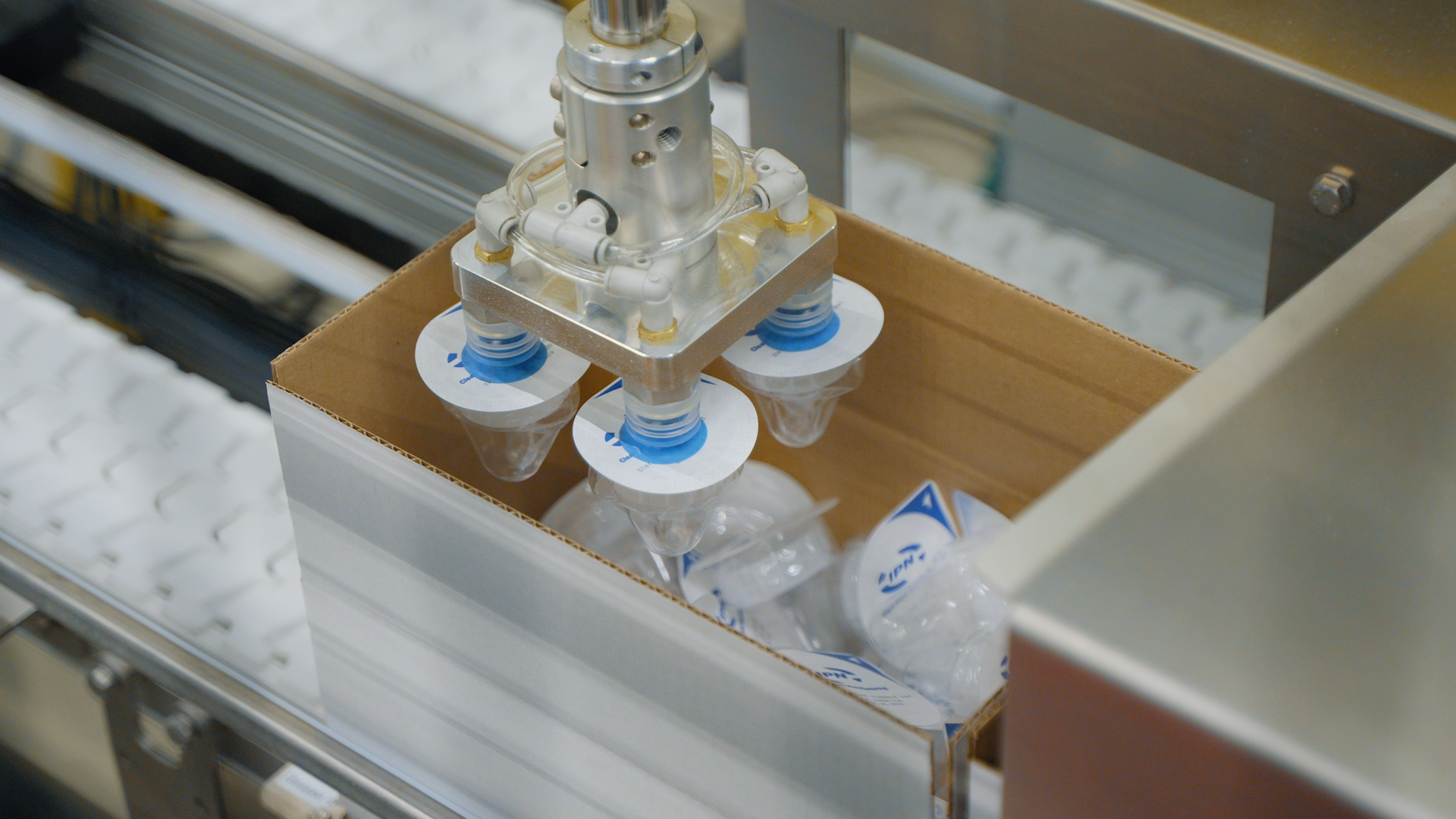
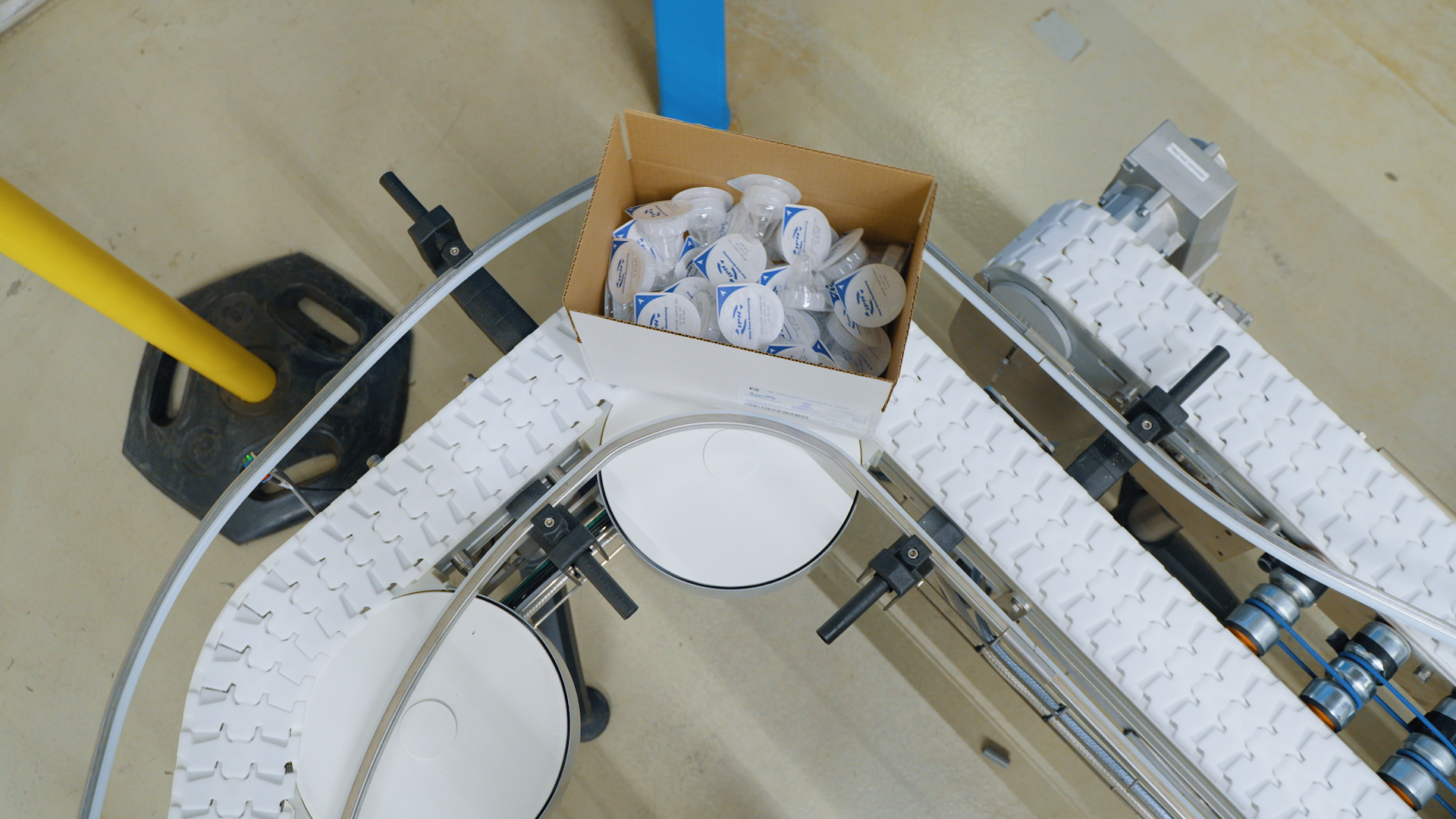
Among other things, Cura Packaging produces 23 million sterilised teats annually for use in hospitals. Using a combination of robotics and a different process layout, we implemented a solution here that eliminated both human handling and the need for interim storage of the teats between production and packaging.
Creating Solutions Together
This way of thinking was also central to this collaboration between Cura Packaging, Hellings and Ronetic (part of Hellings). Being technically curious, continuing to ask questions and working together to find the best solution – ‘Creating Solutions Together’ in practice.
By scrutinising the entire process together and identifying where automation could add the most value, a solution emerged that tackled multiple challenges simultaneously. By deploying robots in crucial process steps, it was possible to eliminate both manual handling and temporary storage. Would you like to find out how this works? Then watch the video or read about it in our customer case study.
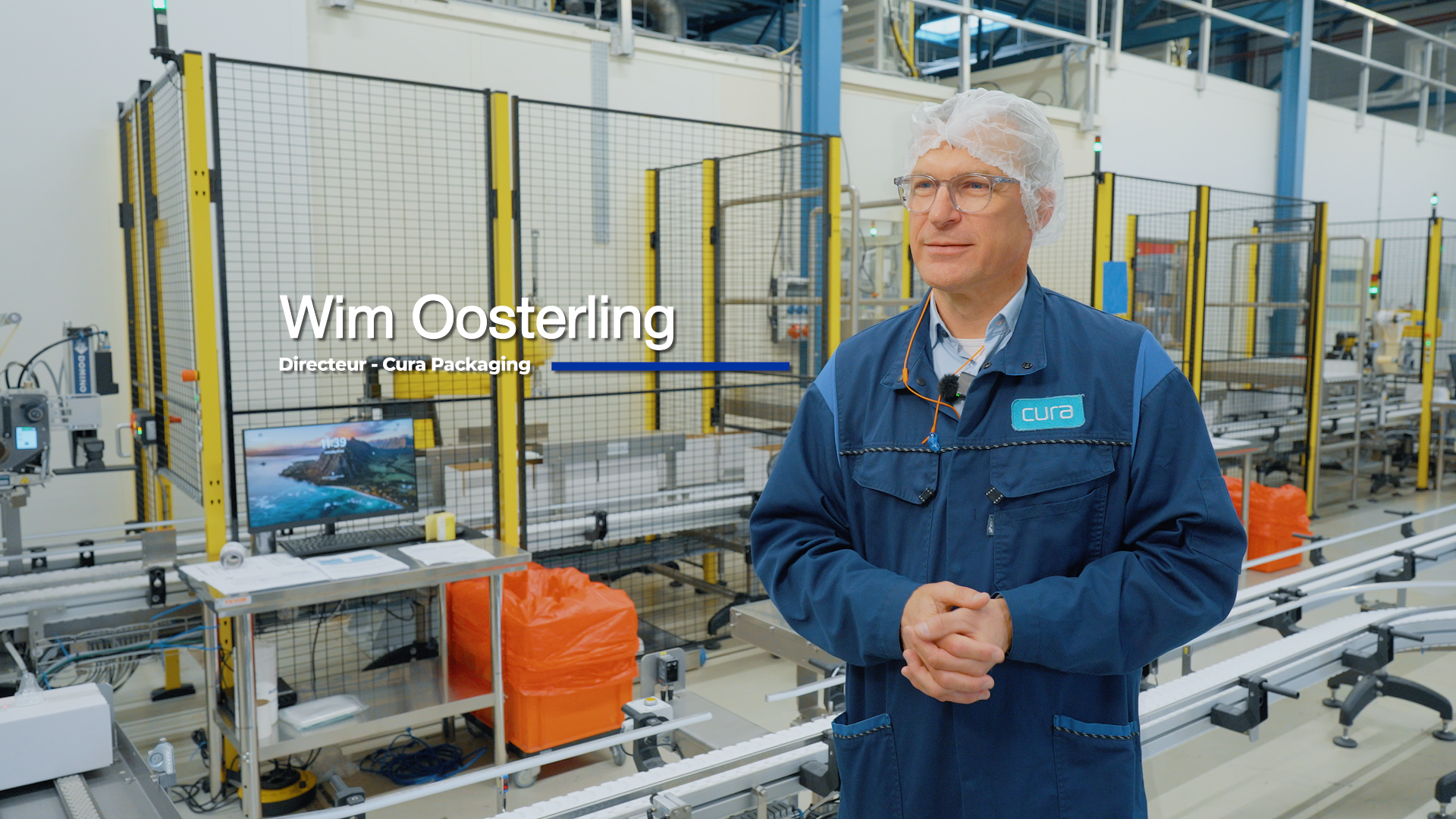
“More calm in the process”
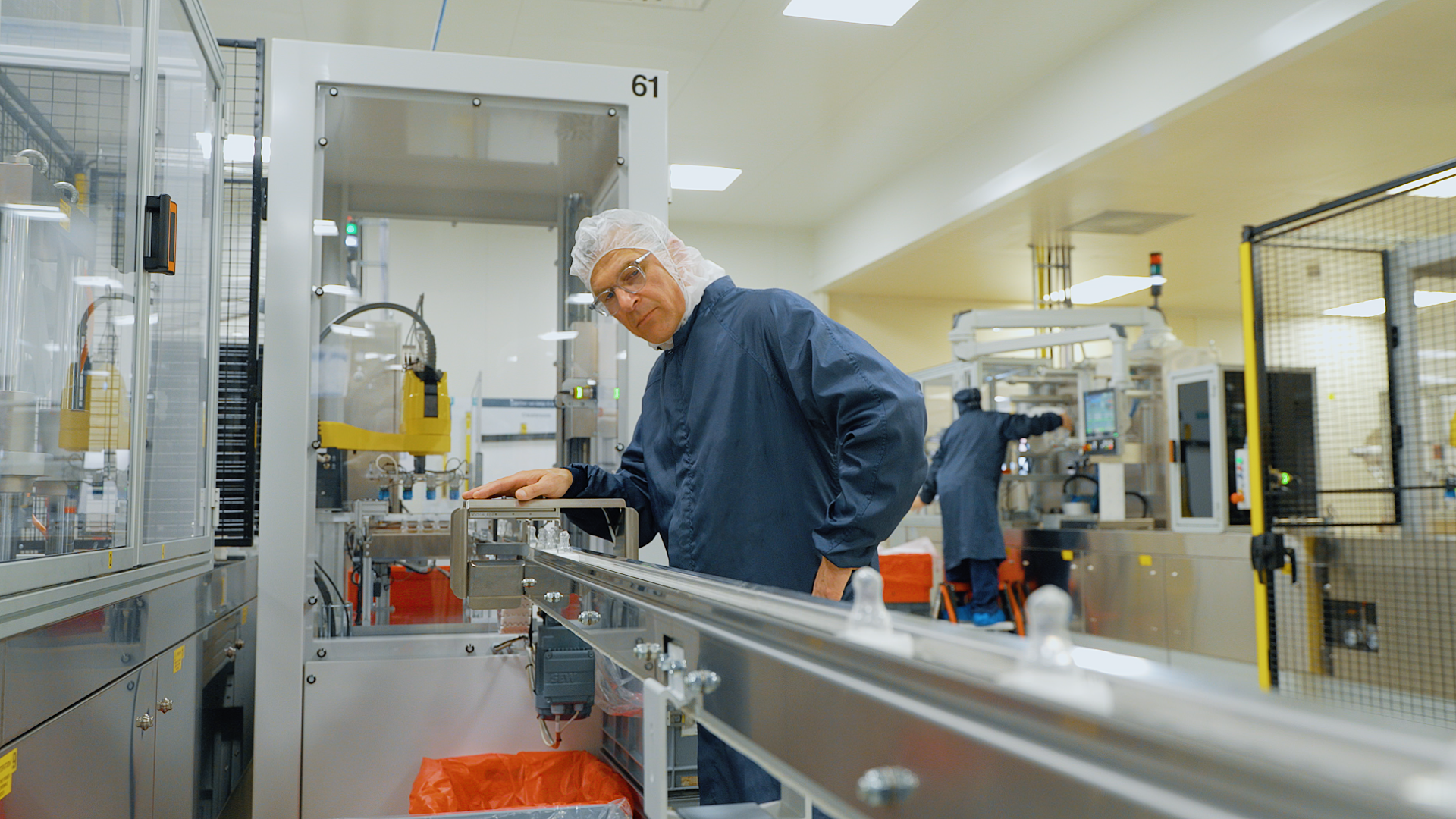
During our visit, we saw for ourselves how the solution is now being put to use. It’s great to see how the technology our colleagues have worked so hard on is now helping to package tens of thousands of teats every day. The difference is also noticeable on the shop floor. “The process runs more smoothly,” as one of the operators put it so well.
And when you consider that Cura Packaging produces millions of teats every year for feeding children in hospitals, a project like this takes on even greater significance for us.
Thank you, Wim and the team at Cura Packaging, for the warm welcome, your enthusiasm and the glimpse behind the scenes!